
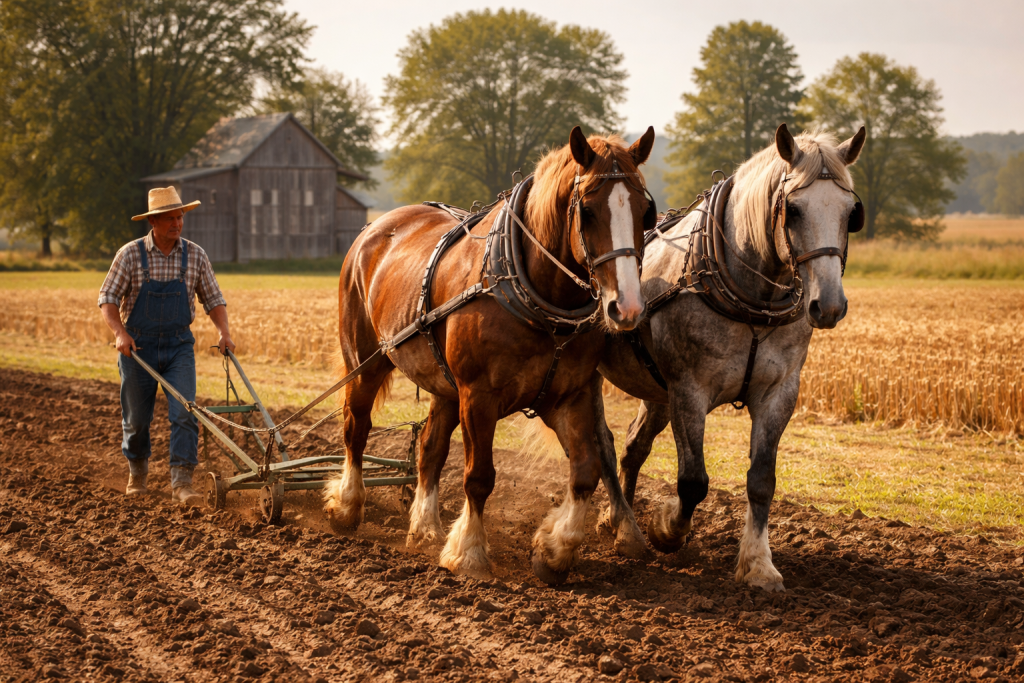
THE PLOWMAN OVERTAKES THE REAPER
The Harvest Is in the Glory
Preface
There are seasons in God when time itself seems to bend. What once required years suddenly unfolds in moments. What was delayed is accelerated. What was sown generations ago begins to appear all at once. Scripture calls this a “day that is coming,” a divinely appointed season in which God gathers together everything He has spoken since the beginning of the world.
This book explores one of the most profound prophetic pictures in Scripture: the plowman overtaking the reaper. It is a revelation of divine abundance, Kingdom acceleration, and the Glory of God manifested in the earth to bring in the final harvest.
Chapter 1: Behold, the Days Are Coming
“Behold, the days are coming,” declares the Lord through the prophet Amos. These words do not describe a distant abstraction; they announce a certainty. Every promise God has made is moving toward fulfillment. Time does not delay God—it serves Him.
Amos describes a reality that defies natural order: the plowman catching up to the reaper, and the treader of grapes overtaking the sower of seed. In normal agriculture, these activities are separated by months. But God intentionally paints an impossible picture so we understand that He is not speaking of nature alone. He is revealing a supernatural season of grace, where sowing and reaping occur together.
This is not chaos; it is completion.
Chapter 2: Seedtime and Harvest—An Eternal Law
From the days of Noah, God established seedtime and harvest as an unbroken principle. While the earth remains, this law governs both the natural and spiritual realms. Every seed reproduces after its kind, and no seed sown in God is ever lost.
Jesus revealed that the Word of God itself is seed. Prayer is seed. Faith-filled giving is seed. Prophetic declarations are seed. Acts of obedience are seed. The Kingdom of God advances through sowing—and it is sustained by harvest.
Yet Amos reveals something greater: a moment when the earth has received enough seed that the harvest can no longer be delayed.
Chapter 3: When the Plowman Overtakes the Reaper
In Leviticus, God promised Israel that their harvest would be so abundant that threshing would extend into the time of the vintage, and the vintage into seedtime. Amos takes this promise further. He collapses the entire agricultural cycle into a single, continuous movement.
The plowman overtaking the reaper speaks of acceleration. Harvest comes so rapidly that there is no pause between seasons. As soon as the field is gathered, it is prepared again. Labor produces fruit immediately, and fruit inspires greater labor.
Jesus described this reality when He told His disciples that the fields were already white for harvest. What normally takes months had already matured. This is the nature of divine increase.
Chapter 4: The Harvest Is in the Glory
Habakkuk declares that the earth will be filled with the knowledge of the glory of the Lord as the waters cover the sea. Glory is not merely brightness or atmosphere—it is God manifested. When God reveals truth, He is preparing to reveal Himself.
The Glory of God carries harvest within it. It draws, convicts, restores, heals, and gathers. God manifests Himself as both Sower and Reaper, working through His people to bring in what He has long prepared.
Where the Glory increases, harvest accelerates.
Chapter 5: The End-Time Harvest
The harvest now unfolding is not limited to one generation. It is the gathering of everything sown since the world began. Acts declares that heaven holds Christ until the restoration of all things spoken by the prophets.
This harvest includes:
Souls prayed for by generations of believers
Revival fires that never fully burned out
Financial seeds sown in faith but never claimed
Prophetic words awaiting fulfillment
Miracles released as seeds, not yet seen in fullness
Prayers of the saints for God’s will on earth
The Body of Christ across history labors together in one field. Those who sowed before us and those who labor now rejoice in the same harvest.
Chapter 6: Former and Latter Rain
James reminds believers that the farmer waits patiently for the precious fruit of the earth, until it receives the early and latter rain. The former rain initiates growth; the latter rain brings maturity.
The Church has known seasons of planting and seasons of growth. But the latter rain speaks of a final outpouring of the Spirit that brings the harvest to fullness. Like a second Pentecost, it prepares the grain for reaping.
Growth accelerates. Everything placed in the soil—Word, Spirit, faith—works together at once.
Chapter 7: Mountains Dripping with New Wine
Amos speaks of mountains dripping with sweet wine and hills melting under abundance. In Scripture, mountains often represent exalted places—apostolic authority, prophetic vision, and spiritual responsibility.
They are not exalted for themselves, but to pour out life. What was once barren now overflows. What once required effort now flows freely. This imagery is not exaggeration; it is revelation. Natural language strains to describe spiritual abundance.
Chapter 8: Justice, Patience, and the Harvest
James also warns of injustice—hoarded wealth, withheld wages, and indulgence at the expense of the righteous. God sees what has been withheld, and He remembers those who sowed faithfully without reward.
The righteous may not resist, but God is not silent. Divine justice is part of the harvest. What was delayed will be restored. What was sown in tears will be reaped in joy.
Harvest establishes greater seed. Increase fuels increase.
Chapter 9: The Restoration of All Things
Jerome once wrote that in this season there would be no day without grain, wine, or gladness. This is the picture Amos saw: an unbroken flow of sowing and reaping, labor and fruit, prayer and fulfillment.
The fallow ground has been prepared.
The seeds have been sown.
The Glory has been released.
The harvest must be reaped—because it has been spoken.
“Behold, the days are coming,” says the Lord.
Closing Reflection
The plowman overtaking the reaper is not a disruption of God’s order—it is the completion of it. It is the moment when time gives way to fulfillment, when prayer gives way to answer, and when faith gives way to sight.

